

Tag: 05 hermeneutics
Forming Scriptural Imagination (Hauerwas, Hays, Davis & Jones, 2013)
[su_youtube url="https://youtu.be/hTOVoWbRc0A"]
Hermeneutics of the Pentateuch (Goldingay)
[gview file="http://johnandkathleenshow.com/wp-content/uploads/2015/05/Hermeneutics-of-the-Pentateuch.doc" save="1"]

What sorts of difference does René Girard make to how we read the Bible? (Alison, 2009)
The dynamic of “Rise, take up your pallet and walk” is “be mobile – keep going”. The five books of Moses were not supposed to be five porticoes giving shelter to paralysis, when not actively promoting helplessness, leaving people stuck beside a still water waiting for some superstitious passing of an angel. Those books are supposed to be a dynamic path to be trodden by an Israel under orders from an active Lord who opens up a way in the sea, or at the very least commands people to cross a wadi. The pathos of the difference between the helplessness of the Israel that the Lord finds on his visitation of the pool and the power and strength of the Israel that the Lord intended to bring into being, and is witnessed to in Moses’ writings, this pathos provides the context for the sign which Jesus performs here.
“He opened up to them everything in the Scriptures concerning himself” (Lk 24, 27b): How can we recover Christological and Ecclesial habits of Catholic Bible Reading? (Alison, 2007)
I propose to do two things with you this evening. The first is to read a passage of Scripture, in the rich sense of “offering a reading” of it. And the second, if time and your patience permits, is to draw out some of the consequences of the method which I shall have used in order to come up with this reading. I’m aiming at making a contribution to something which I intuit as being important for the future of our Catholic life: the recovery of the habits necessary for a reading of the Scriptures which is both Ecclesial and Eucharistic. The route to this recovery winds through the filling out of our sense of how it is that the Anointed One of God, the “Χριστός”, makes available for us a fulfilled reading of the texts which we have received.
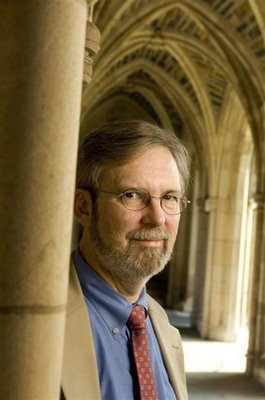
Salvation by Trust?: Reading the Bible Faithfully (Hays, 1997)
The Protestant reformers of the 16th century proclaimed that God’s word in scripture must serve as the final judge of all human tradition and experience. Left to our own devices we are capable of infinite self-deception, confusion and evil. We therefore must turn to scripture and submit ourselves to it, the Reformers insisted, in order to find our disorders rightly diagnosed and healed. Only through the biblical writers’ testimony do we encounter the message of God’s grace; only the revelation of Jesus Christ, disclosed uniquely and irreplaceably through the testimony of the evangelists and apostles, tells us the truth about the merciful God and our relationship to that God. Without this word which comes to us from outside ourselves, we are lost.